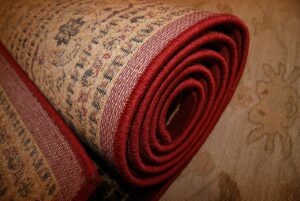

Your woven products may be beautiful—but online buyers still need enough information to understand their size, texture, construction, and value.
Handmade weaving can stand out in ecommerce through distinctive textures, careful construction, and a visible making process.
However, buyers cannot touch the fabric, feel its weight, or inspect the craftsmanship up close. Your photos, product descriptions, pricing, policies, and maker story must provide the missing context.
This guide explains how to develop a focused collection, present handmade woven products clearly, choose a selling platform, and improve listings based on measurable shop activity.
What Makes Handmade Woven Products Sellable Online
Handmade woven products are easier to evaluate when buyers can quickly understand their purpose, construction, and total cost. A woven wall hanging, basket, rug, or table runner needs clear details such as fiber content, dimensions, care instructions, processing time, and shipping cost.
Because shoppers cannot touch the texture, product photography has to communicate it. Use soft natural light or consistent studio lighting, show close-up weave details, and include contextual photos, such as a handwoven cotton throw styled on a sofa or a basket shown with the type of items it can hold.
- Practical use: Show how the item fits into home decor, gifting, storage, fashion, or everyday use.
- Clear pricing: Account for materials, labor, packaging, overhead, platform fees, payment processing, and any shipping cost not charged separately.
- Trust-building details: Include care instructions, an accurate description of the making process, shop policies, and realistic processing and delivery estimates.
Small woven items such as coasters, placemats, and mini wall hangings can be simpler to package and less expensive to ship, making them practical products for testing a new shop. Larger products may still suit an online collection, but they require accurate measurements, protective packaging, clear scale references, and carefully calculated shipping charges.
Etsy can provide access to shoppers seeking handmade and creatively produced goods, but products and listings must follow its current policies. A woven item offered as “made by a seller” must be physically made by the seller, and the listing must use the seller’s own photos. Reselling a commercially produced item as handmade is not allowed. Review Etsy’s current product eligibility guidance before listing.
If you want more control over branding and the customer experience, a Shopify store is another option. Shopify includes built-in SEO features, and sellers can connect a Google Analytics 4 property through its Google & YouTube channel. A standalone store also requires you to develop your own traffic sources rather than relying primarily on marketplace discovery.
As of August 18, 2026, Etsy’s official fee policy lists a $0.20 USD listing fee and a 6.5% transaction fee, while Etsy Payments processing fees vary according to the location of the seller’s bank account. A one-time shop setup fee may apply, and optional services can add other charges. Shopify costs depend on the subscription plan, market, and payment setup. Current Shopify documentation states that third-party transaction fees apply to transactions handled by third-party payment providers and may also apply to store-credit or gift-card amounts on stores created on or after May 12, 2025. Subscription and payment-processing charges are separate. Always verify current fees before calculating a retail price.
How to Price, Photograph, and List Woven Goods for Online Buyers
Start pricing with the full cost, not just the yarn, reed, or fabric. A useful starting formula is:
Materials + labor + packaging + overhead + selling fees + unrecovered shipping costs + desired profit allowance = target price
When a marketplace charges percentage-based fees, estimate those fees from a tentative selling price and then recalculate. For example, if a table runner uses $18 in materials, requires four hours of labor valued at $20 per hour, and has $6 in packaging plus a $5 overhead allowance, the base cost is already $109 before percentage-based selling fees, outbound shipping, returns, or profit. A $120 price would therefore leave very little room for those remaining costs.
Use a simple spreadsheet in Google Sheets to track material cost, labor, overhead, marketplace and payment fees, wholesale price, retail price, and shipping estimates. This makes it easier to compare Etsy, a Shopify store, and local selling options. Larger woven wall hangings and rugs may require higher prices or separately charged shipping because package dimensions, protective materials, insurance, and carrier surcharges can increase fulfillment costs.
- Photograph woven texture in natural side light or with consistent product lighting.
- Show scale with a chair, bed, dining table, ruler, or person holding the item.
- Include close-ups of edges, fringe, backing, hanging hardware, joins, and normal handmade variations.
Your listing should answer common questions before a buyer has to message you. Include fiber content, exact dimensions, weight when relevant, care instructions, processing time, return policy, and a note that screen settings can affect how colors appear. For custom products, explain which details buyers can choose, what information they must submit, and whether personalized items can be returned.
Use accurate, specific search phrases such as “handwoven cotton scarf,” “woven wool wall hanging,” or “custom table runner.” Do not use claims such as “organic,” “fair trade,” “sustainable,” or “non-toxic” unless they accurately describe the product and can be supported.
Write for the person comparing several handmade products at once. Clear photos, readable descriptions, transparent delivery costs, and consistent pricing make comparison easier than vague descriptions or constant discounting.
Marketing Strategies and Common Mistakes When Selling Handmade Weavings
Marketing for handmade weavings should show texture, scale, use, and construction. A wall hanging photographed on a plain wall provides a clean product view, while a second image styled above a sofa helps buyers understand its dimensions and visual impact in a room.
Use marketplace search tools and visual marketing together. Etsy’s April 27, 2026 title guidance recommends clear, buyer-friendly titles rather than long strings of repeated keywords. Its search system considers the complete listing, including titles, tags, attributes, descriptions, the first photo, and reviews. Use a readable product name, complete relevant attributes and tags, and describe the item accurately. You can then support listings with Pinterest images, short social videos, or behind-the-scenes content showing genuine steps such as warping the loom, selecting yarn, weaving, and finishing.
- Product photography: Combine clean product views, texture close-ups, room styling, and a reliable scale reference.
- Email marketing: Use an email service to announce new collections, restocks, custom-order availability, and holiday ordering deadlines.
- Paid advertising: If your products and account are eligible, test Etsy Ads or Google Shopping with a firm budget before increasing spending. Advertising does not guarantee sales.
One common pricing mistake is accounting only for materials. Labor, packaging, payment processing, marketplace charges, shipping supplies, insurance where appropriate, overhead, and a profit allowance also belong in the calculation. Otherwise, an item can generate revenue while still failing to cover its total costs.
Another mistake is using a vague description such as “beautiful handmade weaving.” Buyers need practical details: fiber type, dimensions, hanging method, care instructions, processing time, and whether the exact pictured item or a made-to-order version will be shipped.
Finally, avoid trying to manage every sales channel at once. Start with one primary platform, monitor which listings receive meaningful buyer activity, and improve product selection, titles, photos, pricing, and shipping options before expanding.
Key Takeaways
Selling handmade woven products online requires more than attractive finished pieces. Buyers need clear photos, accurate specifications, understandable policies, and pricing that accounts for the complete cost of making and fulfilling an order. Start with a focused range, choose a platform that fits your products and resources, and review current marketplace policies before listing. Publish a small group of well-prepared products, monitor the results, and refine your presentation and pricing without assuming that any platform or marketing tactic will guarantee sales.
Sources and further reading
For marketplace rules, fees, product-safety guidance, or other claims that can change, WeaversRock prioritizes current official platform, manufacturer, or government sources. Readers should verify current requirements before acting.
- Etsy Fees & Payments Policy
- Etsy: What Can I Sell?
- Etsy: New Guidance for Listing Titles
- Shopify Payments Fees
- Shopify Third-Party Transaction Fees
- Shopify SEO Overview
- Shopify: Set Up the Google & YouTube Channel
The WeaversRock Crafts Editorial Team researches, prepares, and reviews practical content about weaving, handmade crafts, creative home décor, beginner-friendly projects, and small craft businesses.
Our goal is to provide clear instructions, realistic ideas, useful comparisons, and responsible safety guidance for readers who enjoy creating by hand. Articles are reviewed for clarity, relevance, consistency, and obvious factual issues before publication.
We do not claim professional qualifications, personal testing, or first-hand experience unless those claims can be supported. Readers should always follow manufacturer instructions, use suitable tools, and take appropriate safety precautions when completing a project.