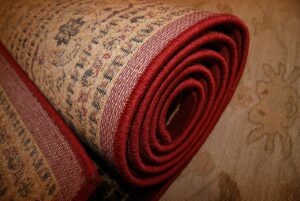

Packaging for handmade home decor needs to protect the product, reflect the brand, and make the order feel thoughtfully presented.
Candles, ceramics, wall art, textiles, and wooden accents have different weak points, so the most attractive packaging is not always the most protective. A well-planned package can reduce damage risk, keep surfaces clean, and create a gift-ready presentation without adding unnecessary size or weight.
This guide covers practical packaging ideas for helping handmade home decor arrive securely and look consistent with the product inside.
What Makes Great Packaging for Handmade Home Decor Products: Protection, Presentation, and Brand Story
Effective packaging for handmade home decor should do three jobs: prevent avoidable damage, make the product feel presentable, and explain any important care or material details. A ceramic candle holder, woven wall hanging, or resin tray may look beautiful online, but it still needs packaging suited to its weight, shape, finish, and fragility.
Start with protection rather than decoration. For fragile pieces, use a sturdy corrugated shipping box, wrap or inserts that protect vulnerable surfaces, and enough void fill to prevent movement. If a decorative retail box is too thin for shipping, place it inside a stronger outer box instead of relying on the decorative box alone.
- For ceramics or glass: Wrap pieces individually, keep them away from the walls of the box, and consider double boxing. A “fragile” label can provide context, but it is not a substitute for proper cushioning.
- For textiles: Use tissue paper and a sealed or moisture-resistant inner sleeve when protection from dirt or moisture is needed. Choose recyclable or certified compostable materials only where suitable disposal options are available.
- For premium pieces: Add a care card, branded sticker, or concise thank-you note. Design and printing services such as Canva or Vistaprint are optional tools rather than packaging requirements.
Presentation matters because handmade decor is often purchased as a gift or for a carefully styled space. Neutral kraft packaging, tissue paper, ribbon, and a clear product label can create an intentional presentation without requiring fully custom boxes.
Keep the brand story brief and useful. An insert can identify the materials, explain care instructions, and clarify natural variations that are normal in handmade work. Whether an item is sold through Etsy, Shopify, a craft market, or an independent shop, the insert should support the product rather than overwhelm it.
How to Package Candles, Ceramics, Textiles, and Wall Decor for Safe, Beautiful Delivery
For candles, use a snug corrugated box, protect the wick and lid, and keep glass containers from moving or striking the box walls. In hot weather, review the wax blend’s temperature sensitivity and the expected transit time. Faster service may reduce time spent in heat, but it cannot guarantee that a candle will not soften or melt.
If selling through Shopify, carrier- or app-calculated rates may be available depending on the store setup, location, plan, and connected services. Enter accurate product weights and packed outer dimensions before relying on calculated rates. Shipping-insurance availability and eligibility also vary, so review the current terms rather than assuming every label includes the same coverage.
Ceramics generally need more impact protection than soft goods. Wrap each piece separately, place it in a strong inner box, and surround that box with cushioning inside a larger corrugated box. Current carrier recommendations differ: UPS advises at least two inches of cushioning for lightweight items, while FedEx recommends three inches in and around the inner box for double-boxed breakables. Follow the guidance for the carrier and service being used, especially for valuable or unusually fragile pieces.
- Candles: Use a sturdy box, protect the wick and lid, cushion glass containers, and account for temperature sensitivity.
- Textiles: Fold neatly, wrap with tissue, and use a clean inner sleeve before placing the item in a rigid mailer or box.
- Wall decor: Protect corners and finished surfaces, use rigid flat mailers for suitable unframed prints, and double-box fragile framed pieces.
For pillow covers, macramé, and table runners, a care card and branded belly band can provide a polished presentation while the inner sleeve protects the fabric. For prints, use tissue or glassine specifically sold as acid-free and suitable for artwork; these materials should not be treated as complete moisture barriers. Framed work may also need corner guards, surface protection, and a rigid outer box.
Before finalizing a packaging method:
- Pack the product exactly as it will be shipped.
- Gently shake the closed box. If the item moves, add or reposition cushioning.
- Measure the sealed package’s outer length, width, and height.
- Weigh the complete package, including inserts and labels.
- Compare current carrier quotes and review exclusions before purchasing insurance.
Shipping software such as Pirate Ship can display available USPS and UPS options after the destination, packed weight, and outer dimensions are entered. Rates and services can change, so compare the actual quote for each package rather than assuming one carrier is always less expensive.
Lower-Waste Packaging Ideas Without Sacrificing Protection
Lower-waste packaging works best when it still provides enough protection for the product. A smaller box made with recycled content is not a practical improvement if insufficient cushioning leads to a broken ceramic piece and a replacement shipment.
Consider recycled-content corrugated mailers or kraft shipping boxes paired with molded paper inserts, honeycomb paper wrap, corrugated pads, or other materials suited to the item’s weight and fragility. These options can help limit unnecessary package weight, but they must still prevent movement and protect corners, handles, rims, and finished surfaces.
- Honeycomb kraft paper: Useful for surface protection and light cushioning around candle jars, vases, and small decor. Heavy or highly fragile ceramics may need additional impact protection.
- Paper-based packing tape: Choose tape rated for the box weight and shipping conditions. Coatings, adhesives, and reinforcement can affect local recyclability.
- Die-cut cardboard or molded paper inserts: Useful for keeping products centered and reducing movement when the insert is designed for the item’s shape and weight.
A practical low-complexity setup might combine a snug corrugated box, enough honeycomb wrap or molded paper cushioning to immobilize the product, and a printed care card. Fragile products may still require an inner box and more cushioning; reducing material should not mean removing necessary protection.
Use specific environmental descriptions instead of broad claims. Terms such as “recycled-content box,” “recyclable where accepted,” or “certified compostable” are more informative than calling an entire package eco-friendly or plastic-free when its tape, coating, label, or window may contain other materials.
Before ordering boxes in bulk, compare several packed sizes and obtain current quotes through a carrier or shipping platform. Package dimensions can affect dimensional-weight pricing, and even a small size change may alter a quote after carrier rounding rules are applied. Always measure the outside of the sealed package rather than relying only on the box manufacturer’s listed interior dimensions.
Key Takeaways & Next Steps
Good packaging should protect, present, and explain. For handmade home decor, choose a method that matches the item’s fragility, dimensions, finish, and temperature or moisture sensitivity while avoiding unnecessary cost and waste.
Start with the smallest box that still allows adequate protection, keep the product from moving, and add branded details only after the protective structure is settled. Test the complete package, record its packed weight and outer dimensions, and recheck current carrier or platform terms before shipping at scale.
Sources and further reading
For marketplace rules, fees, product-safety guidance, or other claims that can change, WeaversRock prioritizes current official platform, manufacturer, or government sources. Readers should verify current requirements before acting.
- Shopify Help Center — Setting Up Shipping Zones and Rates
- Shopify Help Center — Shipping Insurance for Shipping Labels
The WeaversRock Crafts Editorial Team researches, prepares, and reviews practical content about weaving, handmade crafts, creative home décor, beginner-friendly projects, and small craft businesses.
Our goal is to provide clear instructions, realistic ideas, useful comparisons, and responsible safety guidance for readers who enjoy creating by hand. Articles are reviewed for clarity, relevance, consistency, and obvious factual issues before publication.
We do not claim professional qualifications, personal testing, or first-hand experience unless those claims can be supported. Readers should always follow manufacturer instructions, use suitable tools, and take appropriate safety precautions when completing a project.