Natural fibers and plant-based weaving materials can add distinctive texture, color variation, and structure to home decor. Rattan is firm and sculptural, jute is coarse and earthy, cotton cord is soft and flexible, and seagrass creates a dense, substantial weave.
For woven home decor projects, the right material affects durability, drape, color, cleaning needs, and how well the finished piece suits its location.
This guide compares useful natural fibers and plant-based materials for baskets, wall hangings, rugs, lampshades, table accents, shades, and other handcrafted decor.
What Makes a Natural Material Ideal for Woven Home Decor?
A suitable material should balance durability, flexibility, texture, moisture response, and maintenance needs. A fiber may look attractive in a sample but still be wrong for the project if it cracks under tension, sheds excessively, stains easily, or cannot dry properly in its intended location.
Consider how the material behaves during weaving and after installation. Rattan, jute, seagrass, bamboo strips, wool, and cotton cord have different levels of stiffness and stretch. A storage basket needs enough structure to retain its shape, while a wall hanging usually benefits from softer drape and visible texture.
- Strength and structure: Choose dense, firm materials for baskets, trays, screens, and furniture accents.
- Flexibility: Softer fibers are easier to knot, coil, stitch, or weave into wall art and decorative panels.
- Moisture response: Porous fibers should be able to dry fully and generally should not be exposed to repeated splashes or persistent dampness.
- Surface and finish: Check for rough edges, shedding, color transfer, odors, coatings, or treatments that may affect where the piece can be used.
- Care requirements: Confirm whether the completed item can be vacuumed, spot-cleaned, hand-washed, or professionally cleaned.
Before buying in bulk, compare samples under the room’s daytime and evening lighting. Bend, knot, coil, or weave a short test section with the tools and pattern you plan to use. Also test a discreet piece for color transfer and follow the supplier’s cleaning directions. These checks can reduce waste and reveal whether the material is too brittle, stretchy, coarse, or uneven for the design.
If children will participate in the project, choose supplies intended for their age and read all labels. The U.S. Consumer Product Safety Commission’s Art and Craft Safety Guide notes that even products labeled non-toxic can be harmful when used in unintended ways and recommends avoiding unlabeled, dusty, or age-inappropriate supplies.
How to Match Rattan, Seagrass, Jute, Bamboo, and Cotton to Specific Decor Projects
Choose the material based on how the piece will be used, not only how it looks. Decor near windows, pets, young children, direct sun, or humidity needs more planning than an item displayed in a dry, low-traffic area.
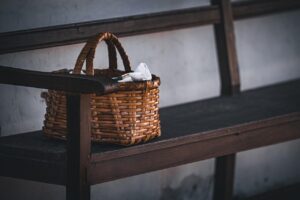
- Rattan: Rattan reed and cane webbing work well for structured baskets, cabinet inserts, trays, screens, and furniture accents. The material can become brittle if it is excessively dry or repeatedly bent, so condition and prepare it according to the supplier’s directions before weaving.
- Seagrass: Its firm texture suits baskets, trays, storage bins, and wall decor. Keep it away from repeated splashes and locations where it cannot dry, such as beside a frequently used shower.
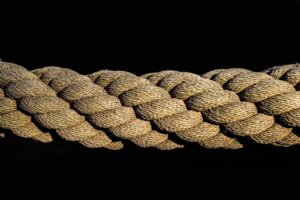
- Jute: Useful for low- to moderate-traffic rugs, rope baskets, poufs, and rustic wall accents. Jute may shed, absorb stains, or weaken when repeatedly wet, so it is usually a poor match for damp bathrooms and spill-prone dining areas.
- Bamboo: Woven bamboo strips or splits suit shades, room screens, trays, and lightweight panels. Inspect cut edges for splinters and use products designed for the intended indoor or outdoor location.
- Cotton: Cotton cord works well for macramé, wall hangings, cushion covers, and coiled baskets. It feels softer than many plant fibers, but washability depends on the dyes, stitching, internal structure, and care instructions for the completed item.
- Wool: Wool can provide resilience and warmth in rugs, cushions, and woven art. Consider cleaning requirements, possible fiber sensitivities, and any moth-prevention treatment disclosed by the supplier.
No single fiber is automatically the safest choice for a nursery or child’s bedroom. Consider finishes, shedding, secure mounting, small or detachable components, cleaning needs, and whether the product is intended for that setting. For woven bamboo or other window shades in a room where young children are present, the material is less important than the operating system: the CPSC recommends cordless window coverings to eliminate the strangulation hazard created by accessible cords.
For a woven lampshade, use a frame, liner, adhesive, and fiber intended for lampshade construction. Follow the light fixture or shade manufacturer’s instructions for bulb type, wattage, ventilation, and clearance from combustible material rather than assuming a natural fiber is heat-safe.
Compare material samples with the wall paint, flooring, upholstery, and hardware in the room, either in person or with a simple digital mood board. As a starting rule, use rigid materials where the piece needs shape, soft materials where it will be touched, and pronounced textures where you want visual contrast.
Common Mistakes to Avoid When Choosing Natural Fibers for Woven Decor
A common mistake is choosing a fiber only because it looks attractive in photos. Jute, seagrass, rattan, cotton, wool, raffia, and bamboo respond differently to moisture, sunlight, abrasion, and cleaning, so a material suited to wall decor may perform poorly as a bathroom rug or entryway basket.
Ignoring humidity can shorten the life of porous woven decor. Seagrass baskets and natural-fiber rugs can develop odors or mold growth if they remain damp and cannot dry fully. The U.S. Environmental Protection Agency’s moisture guidance recommends keeping indoor relative humidity below 60%, ideally between 30% and 50%, and addressing condensation or water problems promptly. A basic humidity meter can help identify persistently damp rooms, but it does not replace fixing leaks or improving ventilation.
- Ignoring traffic and abrasion: Soft cotton and loosely spun jute may wear or soil quickly in busy areas. Compare weave density and the maker’s intended-use guidance rather than judging by fiber name alone.
- Assuming every item is washable: A washable fiber does not guarantee that the finished basket, rug, or wall hanging can be washed. Dyes, adhesives, linings, frames, and construction methods may require spot cleaning.
- Equating “natural” with untreated: Natural fibers may still contain dyes, finishes, stain treatments, adhesives, or processing residues. Ask the supplier for relevant material and care information when this affects the intended use.
- Using indoor materials outdoors: Covered patios can still expose decor to humidity, wind-driven rain, sunlight, and insects. Use a material rated by its supplier for the planned location.
- Overlooking sourcing details: If environmental or labor practices matter to the purchase, look for specific supplier information or credible certification rather than relying on broad terms such as “eco-friendly” or “natural.”
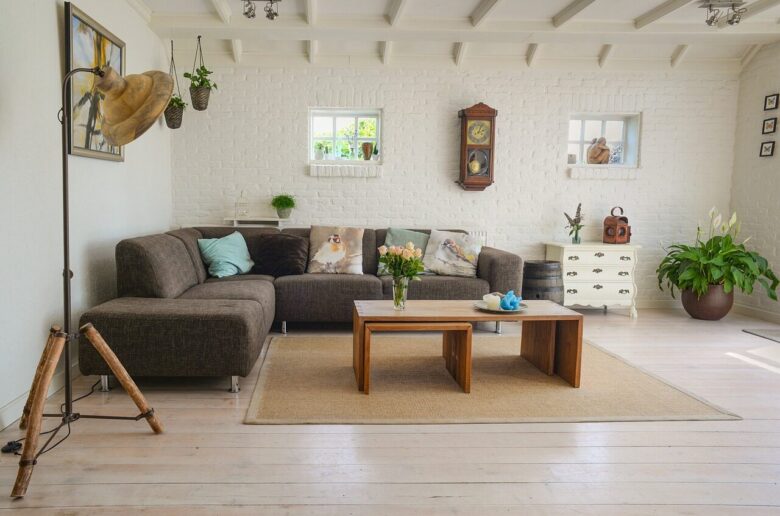
Avoid mixing too many strong textures without a plan. A jute rug, wicker chair, macramé wall hanging, and rattan light fixture can create a layered look when their tones and weave scales complement one another. Order samples when possible, particularly for custom woven shades and natural-fiber rugs, because color and texture can change noticeably under the room’s actual lighting.
Key Takeaways & Next Steps
The most suitable material is the one that matches the project’s structure, location, cleaning needs, and intended use. Choose rattan, cane, or dense seagrass when an item needs shape; cotton or wool when softness and drape are priorities; and jute or raffia when coarse decorative texture is more important than moisture resistance. Let function guide the fiber first, then compare texture, color, finish, care requirements, and sourcing information. A carefully chosen material can add warmth and character while remaining practical for the room where it will be used.
The WeaversRock Crafts Editorial Team researches, prepares, and reviews practical content about weaving, handmade crafts, creative home décor, beginner-friendly projects, and small craft businesses.
Our goal is to provide clear instructions, realistic ideas, useful comparisons, and responsible safety guidance for readers who enjoy creating by hand. Articles are reviewed for clarity, relevance, consistency, and obvious factual issues before publication.
We do not claim professional qualifications, personal testing, or first-hand experience unless those claims can be supported. Readers should always follow manufacturer instructions, use suitable tools, and take appropriate safety precautions when completing a project.