
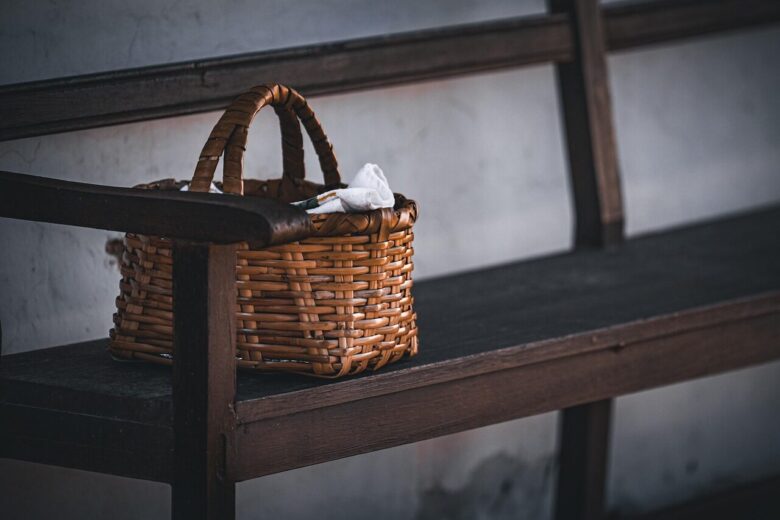
Texture is one of the simplest ways to make modern decor feel warmer and more finished without adding more furniture.
Woven baskets, textured rugs, and layered textiles can soften clean lines, add depth to neutral rooms, and make minimalist spaces feel warm instead of bare.
The key is balance: mixing rough with smooth, matte with polished, and organic shapes with structured silhouettes so the room feels curated rather than cluttered.
In this guide, you’ll learn how to combine baskets, rugs, and tactile accents in a way that looks modern, intentional, and comfortably lived-in.
What Woven Baskets, Rugs, and Natural Textures Add to Modern Decor
Woven baskets, area rugs, and natural textures soften the clean lines that can make modern decor feel sharp or cold. In an open-plan room with white walls, metal lighting, and smooth flooring, adding a jute rug, rattan basket, or linen throw can make the space feel more welcoming without requiring a complete redesign.
These pieces also add function, which is especially useful in a smaller space or during a cost-conscious home update. A large woven basket can hold blankets, toys, magazines, or other everyday items, while a textured rug can define a living area without built-in partitions or custom furniture.
- Warmth: Materials such as jute, seagrass, wool, and rattan balance glass, concrete, and metal finishes.
- Depth: Layered textures make neutral color palettes look intentional rather than flat.
- Flexibility: Baskets and rugs are easier to replace than flooring, cabinetry, or other permanent features.
For example, if your living room has a gray sofa and black coffee table, try a flatweave wool rug with a woven storage basket beside the sofa. Before buying, create a simple mood board or scaled floor-plan sketch to compare rug sizes, materials, and possible layouts.
The key benefit is balance. Natural textures bring comfort and visual interest while preserving the clean, uncluttered appearance associated with modern decor.
How to Layer Woven Baskets, Area Rugs, and Textiles Without Creating Visual Clutter
Start with one dominant texture and let everything else support it. If your area rug has a bold jute weave or patterned wool design, choose smoother linen curtains, simple cotton throws, and woven storage baskets in a quieter tone. This keeps the room feeling layered rather than busy.
Repeat related materials in different scales. For example, a small living room might include a large neutral sisal rug, two medium rattan baskets beside the sofa, and one chunky knit throw on an accent chair. The textures feel connected, but they do not compete for attention.
- Limit the palette: Start with three main colors, such as ivory, tan, and charcoal.
- Vary the weave: Combine tight basket weaves with softer textiles instead of repeating the same coarse texture.
- Leave breathing room: Avoid concentrating baskets, poufs, and patterned pillows in one corner.
- Plan around function: Place baskets where their contents will be used, such as beside a reading chair or near the entryway.
Before buying new decor, photograph the room and make a simple digital mood board or floor-plan sketch. Compare the proposed rug size, basket placement, and textile colors with the furniture and finishes already in the space.
Visual clutter often comes from too many small decorative pieces rather than from texture itself. One generously sized basket for blankets will usually create a cleaner composition than several small baskets scattered around the room. Fewer, larger, and more deliberately placed pieces are often the more cohesive choice.
Common Texture-Mixing Mistakes That Make Modern Interiors Feel Busy or Unbalanced
One common mistake is using too many statement textures in one room. A chunky jute rug, ribbed wood console, bouclé sofa, rattan baskets, and patterned pillows can all be appealing individually, but together they may compete for attention and make the room feel overworked.
A better approach is to choose one dominant texture, one supporting texture, and one subtle accent. For example, in a modern living room with a wool area rug, use smooth leather or linen upholstery, then add one woven basket near the sofa for warmth and storage.
- Too many similar weaves: A jute rug, seagrass baskets, and cane chairs may look repetitive instead of layered.
- Ignoring scale: Tiny woven accessories beside oversized furniture can feel like afterthoughts.
- Mixing undertones: Warm golden rattan may look disconnected from cool gray flooring or blue-toned rugs unless another element bridges the colors.
This problem often begins when individual pieces are selected without considering the room as a whole. A mood board or floor plan can help you compare colors, material finishes, and furniture placement before purchasing rugs, baskets, or storage pieces.
Also consider the balance between rough and smooth surfaces. If the room already has textured walls, woven shades, and a natural-fiber rug, add contrast with glass, metal lighting, or a sleek coffee table to give the eye a place to rest.
The Bottom Line on How to Mix Woven Baskets, Rugs, and Textures in Modern Decor
Modern texture works best when it feels intentional, not crowded. Choose woven baskets, rugs, and tactile accents that share a common thread—color, material, shape, or mood—then let one element lead while the others support it.
Practical takeaway: If a room feels flat, add texture; if it feels busy, simplify the palette. Start with one grounding rug, layer in baskets for function and warmth, and use contrast sparingly. The finished space should feel relaxed and edited without losing its modern clarity.

The WeaversRock Crafts Editorial Team researches, prepares, and reviews practical content about weaving, handmade crafts, creative home décor, beginner-friendly projects, and small craft businesses.
Our goal is to provide clear instructions, realistic ideas, useful comparisons, and responsible safety guidance for readers who enjoy creating by hand. Articles are reviewed for clarity, relevance, consistency, and obvious factual issues before publication.
We do not claim professional qualifications, personal testing, or first-hand experience unless those claims can be supported. Readers should always follow manufacturer instructions, use suitable tools, and take appropriate safety precautions when completing a project.